
Are You Making These Mistakes When Assessing Suicide Risk?
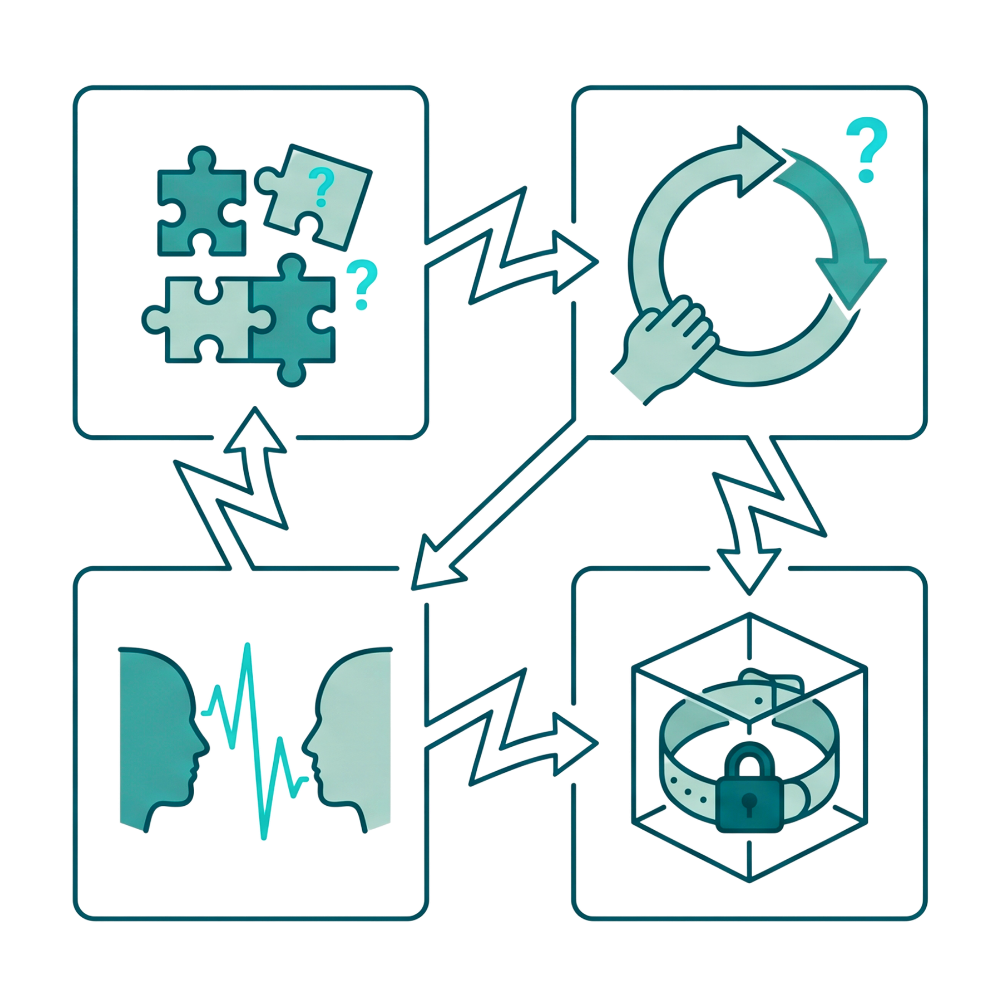
Many clinicians are not trained to distinguish OCD-related intrusive thoughts from true suicidal intent.
The result can be misdiagnosis, unnecessary hospitalization, and increased client distress.
Misdiagnosis
Unnecessary hospitalization
Reinforcing compulsions without realizing it
Increased client distress and clinician anxiety
The Clinical Risk
This training will help you assess risk accurately and respond with confidence.
Increased Distress
Misdiagnosis
Reinforcing Compulsions
Unnecessary Hospitalization
Treating surface symptoms, missing the root OCD cause.
Mutual escalation of client panic and clinician anxiety.
Validating anxiety loops and feeding safety behaviors
Restrictive, medicalized acute care resulting from crisis.
RECOGNIZING OCD IN CLINICAL PRACTICE
Avoiding Treatment Pitfalls and Enhancing Suicide Risk Assessment
4 CE Hours, including 2 hours of Suicide Prevention
Common Clinical Pitfalls
Why This Training Matters
OCD is frequently misunderstood in clinical settings, especially when it presents with harm or suicidal themes. Without proper training, clinicians may find themselves navigating complex scenarios with uncertainty.
This training provides a clear, practical framework to navigate these situations with confidence and clinical clarity.

Mistake intrusive thoughts for intent
Over-rely on reassurance or repeated risk checks
Make decisions driven by uncertainty rather than clinical clarity
Common Clinical Mistakes
Treating intrusive thoughts as intent
Intrusive thoughts in OCD are often ego-dystonic and fear-based, not reflective of desire.
Treating intrusive thoughts as intent
Intrusive thoughts in OCD are often ego-dystonic and fear-based, not reflective of desire.
Reinforcing compulsions through reassurance
Repeated safety checks can unintentionally strengthen OCD cycles.
Missing OCD presentations entirely
Harm OCD, scrupulosity, and health anxiety are frequently misdiagnosed.
Avoiding exposure-based treatment
Fear of risk can lead clinicians to avoid ERP when it is clinically appropriate.
Letting clinician anxiety drive decisions
High-stakes presentations can shift treatment toward overly cautious or inconsistent care.
If this feels familiar, you are not alone.
Most clinicians were never trained to differentiate OCD-related intrusive thoughts from suicidal ideation.
This training will give you the tools to do so with clarity and confidence.
Missing OCD presentations entirely
Harm OCD, scrupulosity, and health anxiety are frequently misdiagnosed.
Letting clinician anxiety drive decisions
High-stakes presentations can shift treatment toward overly cautious or inconsistent care.
Reinforcing compulsions through reassurance
Repeated safety checks can unintentionally strengthen OCD cycles.
Avoiding exposure-based treatment
Fear of risk can lead clinicians to avoid ERP when it is clinically appropriate.
What You’ll Learn
How to distinguish ego-dystonic intrusive thoughts from suicidal intent
How to assess risk without reinforcing compulsions
How to respond to suicidal content in OCD presentations
When to escalate care and when not to
How to document clearly and ethically in high-risk situations

What You’ll Learn
A Practical Approach
Practical and immediately applicable
Grounded in real clinical scenarios
Designed to reduce clinician anxiety
Based in ERP, ACT, and evidence-based risk assessment
A Practical Approach

How to distinguish ego-dystonic intrusive thoughts from suicidal intent
How to assess risk without reinforcing compulsions
When to escalate care and when not to
Based in ERP, ACT, and evidence-based risk assessment
How to document clearly and ethically in high-risk situations
Practical and immediately applicable
How to respond to suicidal content in OCD presentations
This is not a lecture-based CE. This training is designed to be immediately applicable to your clinical work.
Grounded in real clinical scenarios
Designed to reduce clinician anxiety
Training Details
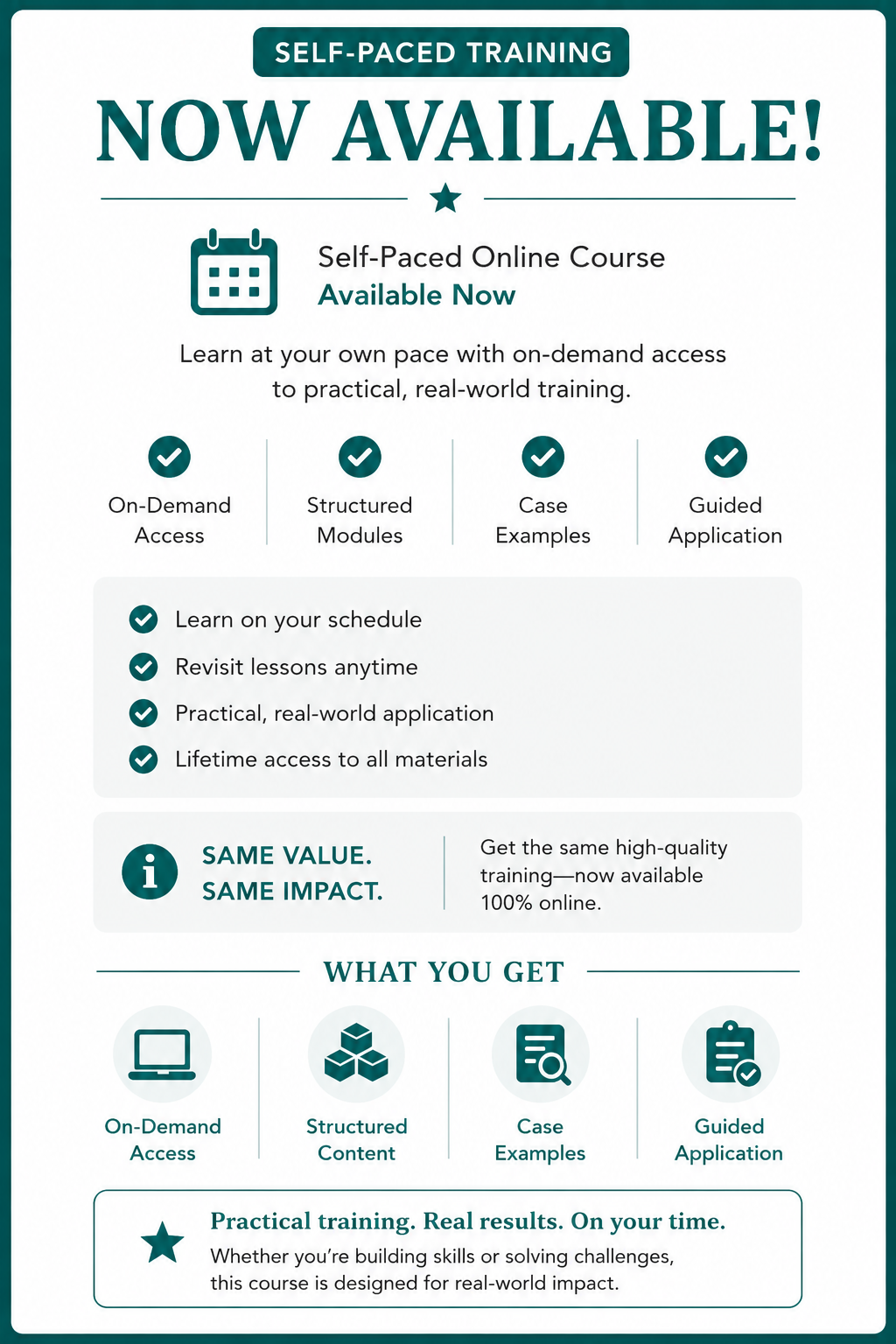
Self-Paced Course
Access on-demand modules and structured content at your own convenience.
Structured written content
Pre-recorded modules
Guided learning flow
4 total CE hours (includes 2 hours of Suicide Prevention CE).
Meets requirements set by the Nevada Board of Examiners for Social Workers. Many licensing boards accept these credits; please check with your board to confirm.
Certificates issued upon completion of evaluation.
“Melinda is an OCD expert! I left the training with increased clarity and further clinical OCD understanding so I can confidently provide quality interventions for my anxious clients.”
“Melinda Ali really knows her OCD stuff and makes the training understandable and fun! I really liked the interactive components. The topic is important and often not addressed in general suicidal trainings”
“I really appreciated learning about intrusive thoughts and how they can initially look like suicidality when they may not be. This course introduced what OCD is and what it is not. Spoiler: I was surprised. OCD was never thoroughly discussed in grad school, and I feel this information is great for all clinicians. Even if you aren’t working with OCD, it’s important to be able to identify it in your clients and refer them out.”
“I seriously learned so much and am already using some of what I learned with my own clients.
”
“The self-paced training was a great option to use if you need to pause/replay and what to go at your own pace! Was very easy to follow and I enjoyed how things were broken down.”
Optional Add-On: Post-Training Consultation Group
Small group consultation to apply concepts to real cases and build confidence in clinical decision-making.
$59
ABOUT THE INSTRUCTOR
Melinda Ali, LCSW

Melinda is a licensed clinical social worker specializing in OCD, anxiety, and trauma. She integrates ERP, ACT, DBT, and trauma-informed approaches in both her clinical work and trainings.
She has extensive experience conducting suicide risk assessments in high-risk settings and is passionate about helping clinicians feel confident navigating complex presentations.
Stop second-guessing your clinical decisions.
Learn how to assess risk accurately and treat OCD without reinforcing it.
Join a community of clinicians committed to evidence-based, compassionate care.